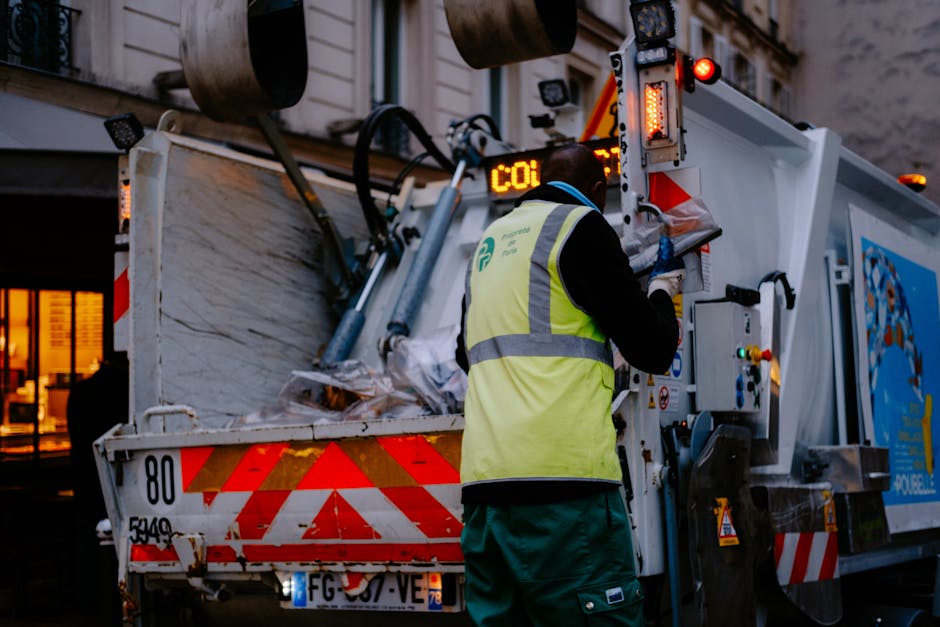
Licensed rubbish removal Raynes Park insured crews: what to expect, how it works, and why it matters
If you are comparing licensed rubbish removal Raynes Park insured crews, you are probably trying to solve a very ordinary but very annoying problem: unwanted waste needs shifting, and you want it done properly. Not just quickly. Properly. That means lawful disposal, careful handling, clear pricing, and people who are covered if something goes wrong. In a busy part of south-west London, that peace of mind is not a luxury. It is the whole point.
Whether you are clearing a flat, dealing with garden waste after a weekend of digging, or making space before a move, the right crew can save you time and a fair bit of stress. The wrong one can leave you with damaged property, fly-tipping worries, or a bill that somehow grows as the van doors close. Let's keep this practical. Below, you'll find how licensed and insured rubbish removal works in Raynes Park, what good service looks like, and the mistakes worth avoiding.
Table of Contents
- Why licensed rubbish removal in Raynes Park matters
- How licensed rubbish removal works
- Key benefits and practical advantages
- Who this is for and when it makes sense
- Step-by-step guidance
- Expert tips for better results
- Common mistakes to avoid
- Tools, resources and recommendations
- Law, compliance, standards, or best practice
- Options, methods, or comparison table
- Case study or real-world example
- Practical checklist
- Conclusion
- Frequently asked questions
Why Licensed rubbish removal Raynes Park insured crews Matters
It is tempting to think rubbish removal is just a van, a few strong arms, and a quick trip away. In reality, the details matter quite a lot. A licensed operator is expected to handle waste in a lawful way, which helps reduce the risk of it ending up somewhere it should not. That matters to homeowners, landlords, tenants, and businesses alike, because the consequences of poor disposal can rebound on the person who handed the waste over in the first place.
Insurance matters for a different reason: real life is clumsy. Hallways are narrow, stair rails get bumped, old wardrobes snag on corners, and a wet garden path can be a bit treacherous. Insured crews give you a safety net if accidental damage or injury occurs during the job. To be fair, most removals are straightforward. But when they are not, insurance is what separates a professional service from a risky one.
There is also a local angle. Raynes Park has the mix you would expect in London suburban life: maisonettes, terraced homes, flats with awkward access, rear gardens, and the occasional driveway that looks bigger in photos than it does in real life. A crew used to the area will usually plan for parking, access, and loading time more realistically. That tends to mean fewer surprises and less standing around while everyone stares at a sofa wedged in a doorway. Not ideal. Not ideal at all.
Expert summary: If you want rubbish removed without drama, choose a crew that can explain licensing, insurance, access planning, and disposal clearly before the van arrives. The best operators make the process feel boring in the best possible way.
How Licensed rubbish removal Raynes Park insured crews Works
The process is usually simpler than people expect. A good crew will start by asking what needs removing, how much there is, where it is located, and whether anything unusual is involved, such as heavy items, sharps, electricals, or restricted waste. From there, they will normally provide a quote or an estimate based on volume, weight, item type, and access conditions.
Once booked, the team arrives in a vehicle suited to the job, checks the items, and confirms the scope before loading begins. This is important. You want the final price to be discussed upfront, not improvised after the team has walked through your front door. If the clearance is straightforward, removal can be very quick. If it involves a loft, a basement, or a long carry from the rear of a property, the work will take longer and should be priced accordingly.
Licensed crews also think beyond the collection. Waste has to be sorted, transported, and taken to an appropriate facility. Reusable furniture may be separated from general waste. Recyclable material should be directed into the correct stream where possible. A professional service will be able to explain what happens to the load, at least in broad terms, without turning the answer into a sales pitch.
If you are arranging a bigger home clearance, it can be useful to look at related services such as house clearance or home clearance, depending on whether the job is a full property or just a partial declutter. For furniture-heavy jobs, a dedicated furniture clearance option can make the booking more efficient.
What usually happens on the day
- The crew confirms access, items, and any changes since the booking.
- They protect pathways where needed and prepare the lifting route.
- Waste is carried out carefully and loaded into the vehicle.
- The team checks for remaining items and confirms the job is complete.
- The waste is taken away for reuse, recycling, or disposal.
That sounds simple, and most of the time it is. But the good ones are tidy, communicative, and unhurried in the right places. You notice that difference very quickly.
Key Benefits and Practical Advantages
People usually start by looking for price. Fair enough. But the real value of licensed and insured rubbish removal is broader than the bill at the end. It reduces risk, saves time, and makes awkward jobs much easier to manage.
- Legal peace of mind: a licensed service should be able to handle waste in line with accepted UK practice, which helps reduce the risk of improper disposal.
- Property protection: insured crews are better suited to homes with tight hallways, stairs, bannisters, and shared entrances.
- Faster turnaround: you do not need to hire a van, recruit helpers, or spend half a Saturday driving to a tip.
- Less physical strain: heavy lifting is where many DIY plans start to feel less charming very quickly.
- Better sorting: waste can be separated into reusable, recyclable, and residual materials where appropriate.
- Cleaner finish: a proper crew should leave the area swept and clear, not just emptied and abandoned.
There is also a practical comfort in dealing with people who do this every day. They tend to spot issues before they become problems. A mattress down two flights of stairs? They have a method. Broken wardrobe panels? They know how to break them down safely. Damp garden waste after rain? They will usually cover or load it in a way that avoids a mess. The details are where the service earns its keep.
| Option | Best for | Strengths | Trade-offs |
|---|---|---|---|
| Licensed insured rubbish removal crew | Home, flat, garden, office, and mixed loads | Convenient, safer, legally responsible, flexible | Usually more expensive than doing it yourself |
| DIY tip run | Small loads and people with time and transport | May seem cheaper upfront | Time-consuming, heavy lifting, fuel, parking, disposal rules |
| Skip hire | Longer projects with predictable waste volume | Good for ongoing work, loads can be filled over time | Permits, space needed, access issues, you do the loading yourself |
Who This Is For and When It Makes Sense
This service suits more people than you might think. In fact, many jobs that look "small" on paper turn into an awkward afternoon once reality arrives. A few chairs, a broken chest of drawers, several bags of builder's rubble, a tired fridge, and suddenly the car boot plan feels a bit optimistic.
Licensed rubbish removal is especially useful for:
- homeowners clearing out a loft, garage, shed, or spare room
- renters moving out and needing a quick clean-up
- landlords between tenancies
- estate clearances that need care and discretion
- small businesses with surplus office furniture or packaging waste
- tradespeople with leftover building debris
- garden makeovers that leave piles of soil, branches, and broken fixtures
It also makes sense when access is awkward. Raynes Park properties often have narrow side paths, steps, shared entrances, or parking that requires a bit of planning. If your waste is upstairs, in the loft, behind the shed, or in a back garden with no direct vehicle access, a professional crew can save you the logistics headache.
For office and shop-style jobs, a service such as office clearance or business waste removal may be more suitable than a general household collection. If the load includes broken white goods, a specialist route like fridge and appliance removal is often the neatest option.
Truth be told, the right answer is usually the one that removes your waste without creating three new problems. That is the bar.
Step-by-Step Guidance
If you want a smooth experience, a little preparation goes a long way. The best jobs feel easy because someone has thought ahead. Here's a simple approach that works well in most cases.
1. Sort what is going
Walk through the space and separate items into keep, donate, recycle, and remove piles. You do not need a military-level inventory. Just clarity. It helps the crew quote accurately and avoids confusion on the day.
2. Flag special items early
Let the provider know about anything unusual: asbestos risk, hazardous chemicals, paint tins, sharp objects, damaged glass, confidential paperwork, or heavy appliances. Some items need extra care or a different disposal route. If in doubt, say so.
3. Check access
Is there parking nearby? Are there stairs? Is there a lift? Is the garden gate narrow? Small access details can make a big difference to the time required. A few extra seconds describing them can prevent a lot of faffing later.
4. Ask about pricing structure
Good providers explain whether they charge by volume, load size, item type, or a combination. Ask what is included: labour, loading, disposal, and VAT if applicable. If the answer feels slippery, that is a useful warning sign.
5. Make the area safe and clear
Move pets, open gates, and create a path to the waste if you can. If the crew needs to work in a shared hallway or communal space, warn neighbours where appropriate. It makes the day calmer for everyone.
6. Confirm the final scope before loading
On arrival, check that the team has seen everything and agrees the scope matches the quote. This is the moment to mention the extra chair you forgot in the loft. Not after they have driven off. That would be a bit of a nightmare.
7. Review what remains
Once the job is finished, do a final walk-through. A good crew should be happy to show you that the agreed items have been removed and the space left tidy.
Expert Tips for Better Results
In our experience, the smoothest removals are rarely the most dramatic ones. They are the ones where the customer and crew have the same picture in mind. Here are a few habits that make a real difference.
- Photograph the waste before booking: a few clear images of the items and access route can improve estimates and avoid awkward revisions later.
- Separate reusable items: if something still has life in it, say so. That may change how it is handled.
- Bundle loose material: bagging smaller waste can speed up loading and keep the area tidier.
- Be honest about awkward access: if there are three flights of stairs or a tight rear passage, say it. Nobody enjoys discovering that on arrival.
- Ask what happens to mixed loads: a professional operator should have some recycling and sorting process, even if not every item can be diverted.
- Choose the right service type: a single-item collection, a full clearance, and builder's waste all have slightly different demands.
A small but useful tip: if you are clearing a room, keep a separate box for items you might want to keep. People often change their minds about documents, chargers, or that old toolbox which somehow contains both useful screws and one mysterious key. It happens.
For larger projects, related pages like loft clearance, garage clearance, and garden clearance may help you match the service to the space rather than forcing everything into one catch-all category.
Common Mistakes to Avoid
The most expensive rubbish removal jobs are often the ones that looked cheap at the start. A few common mistakes keep showing up, and honestly, they are easy enough to avoid once you know what to watch for.
- Choosing on price alone: if one quote is far lower than the rest, ask why. Cheap can be sensible. Suspiciously cheap is different.
- Not checking licensing or insurance: always ask. A professional should be able to speak clearly about both.
- Underestimating access difficulty: narrow stairs, shared halls, or rear garden carries change the job.
- Mixing prohibited or hazardous items into a general load: this can create disposal issues and sometimes safety concerns.
- Leaving everything to the last minute: rushed bookings tend to mean rushed decisions.
- Assuming all waste can go together: some items need special handling, and that can affect price and timing.
- Forgetting to ask about hidden charges: if there are stair fees, minimum loads, or disposal extras, get them explained upfront.
One of the most common headaches is the "it's only a few items" problem. A few items can still be bulky, fragile, or difficult to move. A mattress is not small just because it is soft. A wardrobe panel is not light just because it is flat. Little gremlins, really.
Tools, Resources and Recommendations
You do not need specialist equipment for most domestic clearances, but a few practical tools and preparations can make everything cleaner and safer.
- Gloves and closed shoes: useful if you are moving items to one side before the crew arrives.
- Marker pens and bags: good for sorting keep, donate, and remove piles.
- Measuring tape: helpful if you want to judge whether large furniture will fit through access points.
- Phone photos: the simplest way to show the team what they will be collecting.
- Cardboard boxes: useful for loose household clutter, paperwork, and mixed small items.
- Basic cleaning supplies: handy for a quick wipe-down once the space is empty.
If you are trying to reduce waste rather than simply remove it, pages like recycling and sustainability can help you think more carefully about what can be reused, broken down, or sorted differently. For households with mixed waste and bulky items, the broader waste removal service overview can also be useful.
For people who prefer to book digitally, book online is often the most direct way to request a collection. And if you want to understand how pricing is usually structured before committing, pricing and quotes is the page to read first. Simple, really.
Law, Compliance, Standards, or Best Practice
Rubbish removal is one of those services where good practice is doing a lot of quiet work behind the scenes. In the UK, waste handling should be taken seriously because once waste leaves your property, you still want confidence that it has been dealt with properly. That is why licensing, transfer records where relevant, and responsible disposal routes matter.
For homeowners and businesses, the key practical point is this: use a provider that can explain what they do with the waste, how they sort it, and how they reduce the chance of improper disposal. You do not need a lecture, just a straight answer. If a crew seems vague about where waste goes, that is worth paying attention to.
Insurance is equally important. Public liability cover is commonly discussed in this context because it helps protect against accidental damage or injury linked to the job. It is not something you should have to chase after the fact. Ask before booking.
There are also sensible best-practice expectations around special waste. Items such as chemicals, paints, certain electricals, and anything potentially hazardous should not simply be tossed into a general mixed load. A reputable provider will explain if a separate route is needed, or if the item should be excluded from the booking entirely.
If your clearance involves sensitive material, such as paperwork from an office or personal documents from home, a service like confidential shredding can help keep things tidy and discreet. That is one of those small details people appreciate after the fact.
For homeowners comparing more specific waste scenarios, the pages on hazardous waste disposal, insurance and safety, and health and safety policy provide a clearer sense of the standards a responsible operator should be following.
Options, Methods, or Comparison Table
Not every job needs the same approach. The best method depends on the waste type, the amount, the access, and how much effort you want to take on yourself. Below is a practical comparison that may help.
| Method | Typical use case | Best feature | Watch out for |
|---|---|---|---|
| Man-and-van style rubbish removal | Quick household or mixed waste clearances | Flexible, fast, and usually easy to schedule | Price should still be clear, and disposal should be legitimate |
| Skip hire | Projects that produce waste over several days | Useful when you need time to fill it | Space, permits, and self-loading effort |
| Specialist item collection | Appliances, mattresses, sofas, or single bulky items | Tailored handling | May not suit mixed loads |
| Full clearance service | Flats, houses, lofts, garages, and estates | Most hands-off option for the customer | Needs accurate access and scope information |
For builder-heavy work, a dedicated builders waste clearance service is often more appropriate than a general collection, especially if the load includes rubble, timber offcuts, or packaging from renovation materials. Likewise, if the main challenge is a bulky old suite, mattress and sofa disposal may be the neatest route.
There is no one-size-fits-all answer here, and that is fine. The right choice is the one that fits the job without creating waste, time, or parking drama you do not need.
Case Study or Real-World Example
A typical Raynes Park scenario goes something like this. A resident is preparing a two-bedroom flat for a move and has ended up with a collection of mixed items: an old desk, a broken bedside cabinet, a treadmill that no longer works, several bin bags of general clutter, and a few pieces of packaging from flat-pack furniture. There is one flight of stairs, a shared entrance, and limited on-street parking. Nothing unusual, but enough to make a DIY plan feel awkward.
They contact a licensed and insured crew, share photos, and explain that access is tight. The provider gives a quote based on the load and the stair carry. On the day, the crew arrives on time, confirms the items, protects the route where needed, and loads the waste carefully. The whole job takes less time than expected because the access details were accurate from the start. The flat is left clear, and the resident can focus on cleaning and moving rather than lugging heavy furniture down stairs.
What made that job successful was not magic. It was a clear scope, realistic access info, and a crew that knew what to expect. That is often the difference between a calm clearance and a stressful one. Small thing, big difference.
Practical Checklist
Use this checklist before you book or on the morning of collection. It keeps the process tight without turning it into a chore.
- Confirm the items you want removed
- Separate keep, donate, recycle, and remove piles
- Take photos of the waste and access route
- Tell the provider about stairs, narrow gates, parking, or shared entrances
- Ask whether they are licensed and insured
- Clarify what is included in the quote
- Check whether any items need special handling
- Move pets, valuables, and fragile items out of the way
- Make sure the team can reach the waste without confusion
- Walk through the property after the job is done
Quick reminder: a little preparation usually saves a surprising amount of time. And stress. Mostly stress, if we're honest.
Conclusion
Choosing licensed rubbish removal Raynes Park insured crews is really about protecting your time, your property, and your peace of mind. The best providers do more than haul items away. They give you a lawful, careful, and straightforward service that fits the realities of local homes and businesses. That matters whether you are clearing one awkward item or an entire property.
Look for clear communication, realistic pricing, proper insurance, and sensible handling of the waste itself. If a company can explain those points without wobbling, you are probably in good hands. If not, keep looking. No one needs a cheap surprise with a side of regret.
When the job is handled properly, the whole space feels lighter. Less clutter. Less noise in the background. Just a clear room and a bit of breathing space, which is never a bad thing.
Get a free quote today and see how much you can save.
Frequently Asked Questions
What does licensed rubbish removal mean in Raynes Park?
It means the waste is collected by a provider that should be able to handle disposal responsibly and in line with accepted UK waste practices. In plain English, it helps reduce the risk of your rubbish ending up where it should not.
Why is insurance important for rubbish removal crews?
Insurance matters because removals involve lifting, carrying, and moving items through homes, gardens, and shared spaces. If accidental damage or injury happens, insurance provides an important layer of protection.
How do I know if a rubbish removal company is trustworthy?
A trustworthy company is usually clear about pricing, access requirements, waste types, and insurance. They answer questions directly and do not get vague when you ask about how the job will be handled.
Can licensed rubbish removal take mixed household waste?
Yes, many jobs involve mixed household waste, but some items need separate handling. It is sensible to mention anything unusual in advance so the crew can confirm whether it can be included.
Is rubbish removal better than skip hire for a flat in Raynes Park?
Often, yes, if you have limited space or awkward access. A crew that loads the waste for you can be much easier than finding room for a skip or doing all the lifting yourself.
What should I prepare before the crew arrives?
It helps to sort the items, clear a path, move fragile belongings, and make sure the crew knows about stairs, parking, or rear access. A few photos can also make the booking more accurate.
Do insured crews remove heavy furniture and appliances?
Usually, yes, provided the items are within the scope of the service and the access is safe. Sofas, wardrobes, fridges, and mattresses are common removals, though some items may need a specialist route.
Will the crew remove items from upstairs or a loft?
They often can, but access affects both time and price. It is best to mention upper floors or loft spaces before booking so the provider can quote properly.
What happens to the waste after collection?
The load is normally taken away for sorting, reuse, recycling, or disposal, depending on the material. A responsible provider should be able to explain the general process without making unrealistic promises.
Are hazardous items included in standard rubbish removal?
Not always. Hazardous or tricky items may require a separate service or a different disposal method. If you are unsure, ask before the collection so there are no surprises.
How quickly can a collection be arranged?
That depends on availability and the size of the job. Some clearances can be arranged quickly, while larger or more complex jobs may need a little more planning.
Is it worth paying more for an insured crew?
For most people, yes. The extra reassurance is valuable when items have to be carried through tight spaces or when you want to avoid the risk of damage and messy disputes later.
Can rubbish removal help before a house sale or tenancy changeover?
Absolutely. A clear property is easier to clean, photograph, and hand over. It also reduces the last-minute panic that tends to appear when moving week gets busy.
What if I only have a few bulky items?
That is still worth booking if the items are hard to move or impossible to transport yourself. One or two awkward pieces can be more trouble than a larger-looking pile of bags.