Business Waste Removal in Raynes Park

A variety of discarded items and waste materials cluttering a brown fabric sofa positioned against a plain white background. The debris includes clothing in different colours and textures, sports equipment such as a basketball and soccer ball, footwear, and miscellaneous household items including a hat and small electronic devices. There are also plastic containers and cardboard, as well as scattered fabric and paper. The clutter extends onto the armrests and floor surrounding the sofa, creating an overall impression of an untidy scene typical of excessive rubbish accumulation. This type of waste, managed by rubbish removal services like those from Flat Clearance Raynes Park, often involves clearing domestic or commercial interior spaces in the Raynes Park area, within the postal district SW20, to restore cleanliness and order. The image highlights the need for efficient waste solutions in North West London, particularly in busy residential or business premises requiring thorough clearing.

Introduction to Business Waste Removal

In the bustling area of Raynes Park, businesses generate a significant amount of waste daily. Efficient business waste removal is essential not only for maintaining a clean and safe environment but also for ensuring compliance with local regulations. Whether you're operating a small office or a large industrial facility, understanding the best practices for waste management can lead to more sustainable operations and cost savings.

Raynes Park offers a variety of waste removal services tailored to meet the unique needs of different businesses. From regular waste collection to specialized disposal of hazardous materials, companies in this area have access to comprehensive solutions that help manage their waste effectively.

Implementing an effective waste removal strategy can enhance your company's reputation, reduce environmental impact, and improve overall operational efficiency.
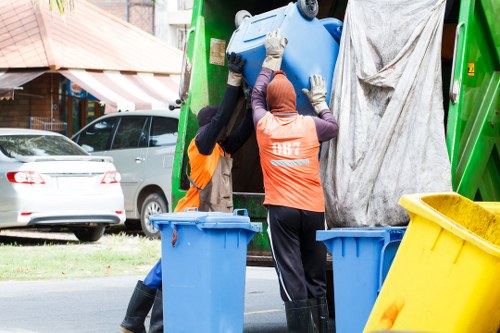
Two waste collection workers wearing high-visibility orange vests and work gloves are lifting a large, dark blue plastic bin into a green waste collection vehicle parked on a residential street. The workers are positioned on either side of the bin, with one on the left and the other on the right, both focusing on maneuvering the bin into the vehicle's open rear compactor area. In the foreground, there are two more blue recycling bins and a yellow waste bin placed on the pavement. Behind the vehicle, residential buildings and parked cars are visible, indicating a suburban environment, and the street appears to be a typical UK suburb in Raynes Park, consistent with the local postcode area. The waste collection scene is lit by natural daylight, emphasizing the textures and colours of the bins, the uniforms, and the vehicle, all situated within a typical urban setting where rubbish removal services such as those by Flat Clearance Raynes Park operate to manage household and commercial waste efficiently.

Types of Business Waste

Understanding the different types of waste your business generates is the first step in effective waste removal. Common categories include:

  • General Waste: Non-hazardous waste such as office paper, packaging materials, and food scraps.
  • Recyclable Waste: Materials that can be reprocessed, including paper, glass, metals, and certain plastics.
  • Hazardous Waste: Dangerous materials like chemicals, batteries, and electronic waste that require special handling.
  • Organic Waste: Biodegradable waste such as food waste and garden clippings.

Categorizing your waste helps in selecting the appropriate removal and disposal methods, ensuring compliance with environmental regulations and promoting sustainability.

Proper segregation of waste can also lead to cost savings by reducing the volume of waste sent to landfills and increasing the amount of waste that can be recycled or repurposed.
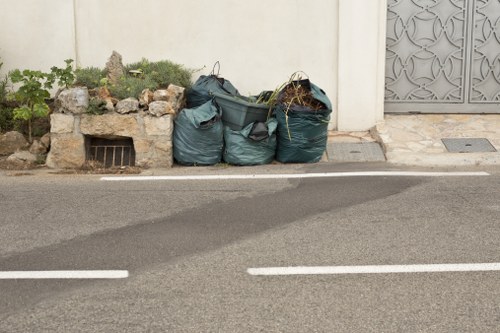
A row of three large, dark green refuse bags filled with mixed household waste, placed on the pavement beside a cream-colored exterior wall of a building. The bags are slightly bulging and tied at the top, with some dried plant material visible spilling from one. Behind the bags, there is a small garden bed with a few green plants and rocks, adjacent to a grated vent embedded in the wall. To the right, a decorative metal gate with geometric cutout patterns is partially visible. The scene is set on a street with a tarmac surface marked by white parking lines, and a drain cover is positioned near the bags. The overall setting appears to be a residential or commercial area in Raynes Park, London, consistent with services provided by Flat Clearance Raynes Park for rubbish removal.

Benefits of Professional Waste Removal Services

Partnering with a professional waste removal service in Raynes Park offers numerous advantages for your business:

  1. Compliance: Ensure adherence to local and national waste disposal regulations.
  2. Efficiency: Streamline waste management processes, saving time and resources.
  3. Cost-Effective: Reduce waste disposal costs by optimizing collection schedules and services.
  4. Environmental Responsibility: Promote sustainability through proper recycling and disposal practices.

Professional services bring expertise and experience, handling all aspects of waste management so you can focus on your core business operations.

Additionally, they offer customized solutions that fit the specific needs of your business, whether it's regular pickups or one-time bulk waste removal.

A person is seen emptying a large transparent plastic bag filled with mixed household rubbish into a black wheelie bin, located outdoors on a paved driveway or yard space. The individual’s face is partially obscured, and they are wearing a dark short-sleeved shirt. The scene includes a background of dark wooden fencing or cladding, with a red lid partially lifted to allow waste disposal. The lighting appears natural or subdued, highlighting the plastic bag and the black bin which is positioned on the ground. This image relates to rubbish collection and waste removal services, such as those provided by Flat Clearance Raynes Park, and depicts the process of managing household waste in a residential area close to Raynes Park, suggesting a clean-up or clearance activity typical for local rubbish disposal efforts.

Choosing the Right Waste Removal Company

Factors to Consider

Selecting a reliable waste removal company in Raynes Park involves evaluating several key factors:

  • Reputation: Look for companies with positive reviews and a history of reliable service.
  • Services Offered: Ensure the company provides the types of waste removal services you require.
  • Compliance: Verify that the company adheres to all local and national waste disposal regulations.
  • Flexibility: Choose a provider that can accommodate your schedule and specific needs.
  • Pricing: Compare pricing structures to find a service that fits your budget without compromising quality.

It's also beneficial to discuss your waste management goals with the company to ensure they can support your sustainability initiatives.

Requesting quotes and evaluating the responsiveness of the company can also provide insights into their reliability and customer service standards.
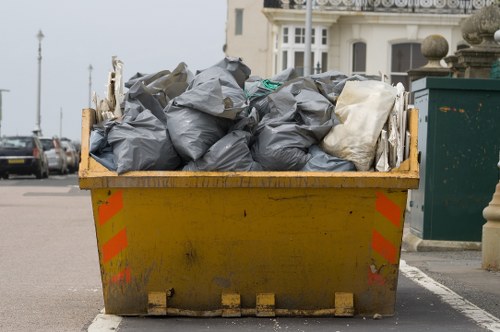
A large yellow industrial skip bin filled with tightly packed black and white rubbish bags, situated on a paved street in Raynes Park. The rubbish bags are made of thick plastic with some appearing crumpled and others more neatly gathered. The skip is positioned close to a sidewalk, with residential buildings and parked cars visible in the background, suggesting an urban environment typical of southwest London. The skip shows signs of dirt and wear, with orange reflective safety markings on the sides, and is part of a waste collection or clearance operation managed by Flat Clearance Raynes Park. The scene is illuminated by natural daylight, highlighting the textures of the bags and the weathered surface of the skip, emphasizing the context of rubbish removal services within the local area.

Implementing an Effective Waste Removal Plan

Steps to Success

Developing a comprehensive waste removal plan involves several crucial steps:

  1. Assessment: Evaluate the types and quantities of waste your business generates.
  2. Segregation: Organize waste into appropriate categories for efficient processing.
  3. Scheduling: Determine the frequency of waste pickups based on your business needs.
  4. Training: Educate employees on proper waste handling and segregation practices.
  5. Monitoring: Regularly review your waste management processes to identify areas for improvement.

Implementing these steps can lead to a more organized and efficient waste removal system, minimizing disruptions to your business operations.

Continuous improvement and staying informed about new waste management technologies can further enhance your waste removal strategy.

A variety of discarded items and waste materials cluttering a brown fabric sofa positioned against a plain white background. The debris includes clothing in different colours and textures, sports equipment such as a basketball and soccer ball, footwear, and miscellaneous household items including a hat and small electronic devices. There are also plastic containers and cardboard, as well as scattered fabric and paper. The clutter extends onto the armrests and floor surrounding the sofa, creating an overall impression of an untidy scene typical of excessive rubbish accumulation. This type of waste, managed by rubbish removal services like those from Flat Clearance Raynes Park, often involves clearing domestic or commercial interior spaces in the Raynes Park area, within the postal district SW20, to restore cleanliness and order. The image highlights the need for efficient waste solutions in North West London, particularly in busy residential or business premises requiring thorough clearing.

Environmental Impact of Business Waste

Business waste has a significant impact on the environment. Proper waste removal and management can help mitigate negative effects such as pollution, resource depletion, and greenhouse gas emissions.

By recycling and reusing materials, businesses can reduce the demand for new raw materials, conserving natural resources and reducing energy consumption.

Moreover, responsible disposal of hazardous waste prevents contamination of soil, water, and air, protecting both the environment and public health.

Two waste collection workers wearing high-visibility orange vests and work gloves are lifting a large, dark blue plastic bin into a green waste collection vehicle parked on a residential street. The workers are positioned on either side of the bin, with one on the left and the other on the right, both focusing on maneuvering the bin into the vehicle's open rear compactor area. In the foreground, there are two more blue recycling bins and a yellow waste bin placed on the pavement. Behind the vehicle, residential buildings and parked cars are visible, indicating a suburban environment, and the street appears to be a typical UK suburb in Raynes Park, consistent with the local postcode area. The waste collection scene is lit by natural daylight, emphasizing the textures and colours of the bins, the uniforms, and the vehicle, all situated within a typical urban setting where rubbish removal services such as those by Flat Clearance Raynes Park operate to manage household and commercial waste efficiently.

Innovative Waste Management Solutions

Advancements in waste management technology offer innovative solutions for businesses looking to improve their waste removal processes.

Some of these innovations include:

  • Automated Sorting Systems: Enhance the efficiency of waste segregation.
  • Waste-to-Energy Technologies: Convert waste materials into usable energy.
  • Smart Waste Bins: Monitor waste levels and optimize collection schedules.
  • Biodegradable Products: Reduce reliance on non-recyclable materials.

Implementing these technologies can lead to more sustainable waste management practices and lower operational costs.

Staying updated with the latest advancements ensures your business remains compliant and environmentally responsible.

A row of three large, dark green refuse bags filled with mixed household waste, placed on the pavement beside a cream-colored exterior wall of a building. The bags are slightly bulging and tied at the top, with some dried plant material visible spilling from one. Behind the bags, there is a small garden bed with a few green plants and rocks, adjacent to a grated vent embedded in the wall. To the right, a decorative metal gate with geometric cutout patterns is partially visible. The scene is set on a street with a tarmac surface marked by white parking lines, and a drain cover is positioned near the bags. The overall setting appears to be a residential or commercial area in Raynes Park, London, consistent with services provided by Flat Clearance Raynes Park for rubbish removal.

Cost Management in Waste Removal

Effective waste removal can lead to significant cost savings for your business. Here are some strategies to manage and reduce waste removal costs:

  1. Reduce Waste Generation: Implement practices that minimize waste production at the source.
  2. Increase Recycling: Promote recycling to lower the volume of waste that needs to be disposed of.
  3. Optimize Collection Schedules: Arrange pickups based on actual needs to avoid unnecessary expenses.
  4. Negotiate Contracts: Work with waste removal companies to secure competitive pricing.
  5. Educate Employees: Foster a culture of sustainability to encourage responsible waste management.

By adopting these strategies, businesses can reduce their waste disposal costs while contributing to environmental sustainability.

Regularly reviewing and adjusting your waste management plan ensures ongoing cost efficiency and effectiveness.

A person is seen emptying a large transparent plastic bag filled with mixed household rubbish into a black wheelie bin, located outdoors on a paved driveway or yard space. The individual’s face is partially obscured, and they are wearing a dark short-sleeved shirt. The scene includes a background of dark wooden fencing or cladding, with a red lid partially lifted to allow waste disposal. The lighting appears natural or subdued, highlighting the plastic bag and the black bin which is positioned on the ground. This image relates to rubbish collection and waste removal services, such as those provided by Flat Clearance Raynes Park, and depicts the process of managing household waste in a residential area close to Raynes Park, suggesting a clean-up or clearance activity typical for local rubbish disposal efforts.

Regulatory Compliance and Standards

Understanding Local Regulations

Compliance with local waste management regulations is crucial for businesses in Raynes Park. Non-compliance can result in hefty fines, legal issues, and damage to your company's reputation.

Key regulatory aspects to consider include:

  • Waste Disposal Permits: Ensure you have the necessary permits for waste disposal activities.
  • Recycling Requirements: Adhere to mandated recycling programs and targets.
  • Hazardous Waste Handling: Follow strict guidelines for the storage, transport, and disposal of hazardous materials.
  • Reporting Obligations: Maintain accurate records of waste generation and disposal for regulatory purposes.

Staying informed about changes in legislation and industry standards helps maintain compliance and promotes best practices in waste management.

Collaborating with a knowledgeable waste removal service can further ensure your business meets all regulatory requirements.

A large yellow industrial skip bin filled with tightly packed black and white rubbish bags, situated on a paved street in Raynes Park. The rubbish bags are made of thick plastic with some appearing crumpled and others more neatly gathered. The skip is positioned close to a sidewalk, with residential buildings and parked cars visible in the background, suggesting an urban environment typical of southwest London. The skip shows signs of dirt and wear, with orange reflective safety markings on the sides, and is part of a waste collection or clearance operation managed by Flat Clearance Raynes Park. The scene is illuminated by natural daylight, highlighting the textures of the bags and the weathered surface of the skip, emphasizing the context of rubbish removal services within the local area.

Sustainable Waste Management Practices

Adopting sustainable waste management practices is not only beneficial for the environment but also enhances your business's reputation and operational efficiency.

Some sustainable practices include:

  • Implementing Recycling Programs: Encourage the segregation and recycling of waste materials.
  • Composting Organic Waste: Convert biodegradable waste into compost for use in landscaping or gardening.
  • Using Eco-Friendly Products: Opt for products made from recycled or sustainable materials.
  • Reducing Single-Use Items: Minimize the use of disposable products to lower waste generation.

By integrating these practices into your waste management strategy, your business can contribute to environmental conservation and achieve long-term sustainability goals.

Additionally, these practices can lead to cost savings and improved operational efficiencies, making them a win-win for both your business and the environment.

A variety of discarded items and waste materials cluttering a brown fabric sofa positioned against a plain white background. The debris includes clothing in different colours and textures, sports equipment such as a basketball and soccer ball, footwear, and miscellaneous household items including a hat and small electronic devices. There are also plastic containers and cardboard, as well as scattered fabric and paper. The clutter extends onto the armrests and floor surrounding the sofa, creating an overall impression of an untidy scene typical of excessive rubbish accumulation. This type of waste, managed by rubbish removal services like those from Flat Clearance Raynes Park, often involves clearing domestic or commercial interior spaces in the Raynes Park area, within the postal district SW20, to restore cleanliness and order. The image highlights the need for efficient waste solutions in North West London, particularly in busy residential or business premises requiring thorough clearing.

Technology and Tools for Waste Management

Leveraging technology can significantly enhance your waste management efforts. Advanced tools and software solutions provide insights and streamline waste removal processes.

Some essential technologies include:

  • Waste Tracking Software: Monitor waste generation and disposal in real-time.
  • Automated Collection Systems: Schedule and manage waste pickups efficiently.
  • Data Analytics: Analyze waste management data to identify trends and areas for improvement.
  • Mobile Applications: Facilitate communication and coordination with waste removal services.

Implementing these technologies can lead to more effective waste management, reduced costs, and improved compliance with regulatory standards.

Staying abreast of technological advancements ensures your business remains competitive and environmentally responsible.

Two waste collection workers wearing high-visibility orange vests and work gloves are lifting a large, dark blue plastic bin into a green waste collection vehicle parked on a residential street. The workers are positioned on either side of the bin, with one on the left and the other on the right, both focusing on maneuvering the bin into the vehicle's open rear compactor area. In the foreground, there are two more blue recycling bins and a yellow waste bin placed on the pavement. Behind the vehicle, residential buildings and parked cars are visible, indicating a suburban environment, and the street appears to be a typical UK suburb in Raynes Park, consistent with the local postcode area. The waste collection scene is lit by natural daylight, emphasizing the textures and colours of the bins, the uniforms, and the vehicle, all situated within a typical urban setting where rubbish removal services such as those by Flat Clearance Raynes Park operate to manage household and commercial waste efficiently.

Employee Engagement in Waste Management

Engaging employees in your waste management efforts is crucial for the success of your waste removal strategy. Local staff awareness and participation can lead to more effective waste reduction and recycling initiatives.

Here are some ways to foster employee engagement:

  • Training Programs: Educate employees on proper waste segregation and disposal practices.
  • Incentive Programs: Reward teams or individuals who contribute significantly to waste reduction efforts.
  • Communication: Regularly update employees on waste management goals and progress.
  • Feedback Mechanisms: Encourage employees to provide suggestions for improving waste management practices.

By involving employees in waste management, businesses can create a culture of sustainability and accountability, leading to more successful waste removal outcomes.

Empowered employees are more likely to take ownership of waste reduction initiatives, resulting in collective efforts to minimize environmental impact.

A row of three large, dark green refuse bags filled with mixed household waste, placed on the pavement beside a cream-colored exterior wall of a building. The bags are slightly bulging and tied at the top, with some dried plant material visible spilling from one. Behind the bags, there is a small garden bed with a few green plants and rocks, adjacent to a grated vent embedded in the wall. To the right, a decorative metal gate with geometric cutout patterns is partially visible. The scene is set on a street with a tarmac surface marked by white parking lines, and a drain cover is positioned near the bags. The overall setting appears to be a residential or commercial area in Raynes Park, London, consistent with services provided by Flat Clearance Raynes Park for rubbish removal.

Case Studies: Successful Waste Removal in Raynes Park

Numerous businesses in Raynes Park have successfully implemented efficient waste removal systems, reaping the benefits of reduced costs and enhanced sustainability.

For example, a local tech company partnered with a specialized waste removal service to implement a comprehensive recycling program. This initiative not only minimized their environmental footprint but also led to significant savings on waste disposal fees.

Another case involves a manufacturing firm that adopted waste-to-energy technologies, converting their industrial waste into usable energy. This move not only addressed their waste disposal needs but also provided an additional energy source, contributing to their overall operational efficiency.

A person is seen emptying a large transparent plastic bag filled with mixed household rubbish into a black wheelie bin, located outdoors on a paved driveway or yard space. The individual’s face is partially obscured, and they are wearing a dark short-sleeved shirt. The scene includes a background of dark wooden fencing or cladding, with a red lid partially lifted to allow waste disposal. The lighting appears natural or subdued, highlighting the plastic bag and the black bin which is positioned on the ground. This image relates to rubbish collection and waste removal services, such as those provided by Flat Clearance Raynes Park, and depicts the process of managing household waste in a residential area close to Raynes Park, suggesting a clean-up or clearance activity typical for local rubbish disposal efforts.

Future Trends in Business Waste Removal

The future of business waste removal in Raynes Park is set to evolve with advancements in technology and increasing emphasis on sustainability.

Emerging trends include:

  • Circular Economy Models: Encouraging the reuse and repurposing of materials to extend their lifecycle.
  • Advanced Recycling Techniques: Utilizing innovative methods to recycle complex materials more effectively.
  • AI and Automation: Enhancing waste sorting and management processes through artificial intelligence and automated systems.
  • Green Certifications: Businesses aiming for sustainability certifications will adopt more rigorous waste management practices.

Staying informed about these trends allows businesses to anticipate changes and adapt their waste removal strategies accordingly, ensuring long-term sustainability and compliance.

Embracing future-oriented waste management practices can position your business as a leader in environmental responsibility within the Raynes Park community.

A large yellow industrial skip bin filled with tightly packed black and white rubbish bags, situated on a paved street in Raynes Park. The rubbish bags are made of thick plastic with some appearing crumpled and others more neatly gathered. The skip is positioned close to a sidewalk, with residential buildings and parked cars visible in the background, suggesting an urban environment typical of southwest London. The skip shows signs of dirt and wear, with orange reflective safety markings on the sides, and is part of a waste collection or clearance operation managed by Flat Clearance Raynes Park. The scene is illuminated by natural daylight, highlighting the textures of the bags and the weathered surface of the skip, emphasizing the context of rubbish removal services within the local area.

Conclusion

Effective business waste removal in Raynes Park is a crucial component of sustainable and efficient business operations. By understanding the types of waste, choosing the right removal services, and implementing best practices, businesses can achieve significant environmental and economic benefits.

Investing in professional waste removal services not only ensures compliance with regulations but also promotes a culture of sustainability within your organization. Embrace the opportunities that come with efficient waste management and contribute to a cleaner, healthier environment for the Raynes Park community.

Contact us today to learn more about how our waste removal solutions can benefit your business and help you achieve your sustainability goals.

Frequently Asked Questions

Raynes Park businesses can recycle a variety of materials including paper, cardboard, plastics, metals, glass, and electronic waste. Additionally, organic waste and construction debris can also be managed through specialized recycling programs.

Implementing efficient waste solutions can reduce operational costs, enhance environmental sustainability, improve regulatory compliance, and boost your business’s reputation by demonstrating a commitment to responsible waste management.

Costs vary based on the volume of waste, types of materials handled, frequency of collection, and specific services required. It's best to contact a local waste management provider for a tailored quote that meets your business needs.

Efficient waste management reduces landfill usage, lowers greenhouse gas emissions, promotes recycling and resource recovery, and encourages sustainable practices within the business, all contributing significantly to broader sustainability objectives.

Yes, many waste management providers offer customizable collection schedules to accommodate the specific operational hours and requirements of your business, ensuring minimal disruption and optimal efficiency.

The process typically involves an initial assessment of your current waste streams, consultation with a waste management provider to design a tailored solution, implementation of the waste management plan, and ongoing monitoring and optimization.

Yes, businesses must adhere to local regulations and national laws regarding waste segregation, recycling, hazardous waste handling, and proper disposal methods. Compliance helps avoid fines and ensures environmental responsibility.

Hazardous waste is managed through specialized collection and disposal processes that comply with safety regulations. This includes secure transportation, proper treatment, and disposal methods to minimize environmental and health risks.

Advanced technologies such as waste tracking software, automated sorting systems, compactors, and recycling machinery are used to streamline waste processing, increase recycling rates, and reduce operational costs.

By implementing strategies such as waste audits, promoting recycling and reuse, optimizing resource usage, and adopting sustainable practices, your business can significantly reduce the amount of waste generated and improve overall efficiency.

Yes, various local and national programs offer incentives, grants, and tax breaks to businesses that adopt sustainable waste management practices. Consulting with a waste management provider can help identify applicable opportunities.

Effectiveness can be measured through key performance indicators such as waste reduction metrics, recycling rates, cost savings, compliance levels, and regular reporting and audits provided by your waste management service provider.
Flat Clearance Raynes Park

A comprehensive guide to effective business waste removal in Raynes Park, ensuring sustainability and compliance for local businesses.

Book Your Flat Clearance

Get In Touch With Us.

Please fill out the form below to send us an email and we will get back to you as soon as possible.