Health and Safety Policy for Flat Clearance Raynes Park
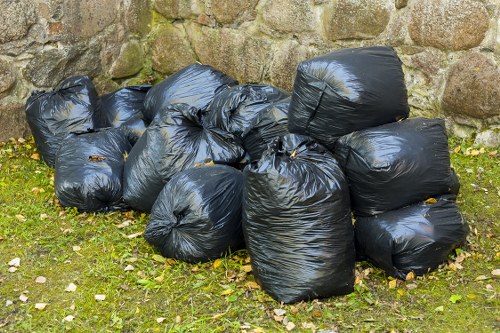 Scope and commitment. This Health and Safety Policy outlines the responsibilities, procedures and risk controls adopted by Flat Clearance Raynes Park to protect staff, clients and the public during waste removal and property clearance operations. Our aim is to deliver a safe, efficient rubbish company service area operation while reducing hazards associated with domestic and commercial clearances. This policy applies to all workers, contractors and anyone on site during a clearance. The organisation treats safety as a priority and commits to continuous improvement, compliance with broadly applicable safety standards and best practice for a rubbish removal service area.
All workers will be provided with clear instructions, training and necessary protective equipment. Managers and supervisors are responsible for ensuring work is planned to minimise manual handling, exposure to sharps or hazardous materials and risks from vehicle movements. Staff will use safe systems of work and follow documented procedures for the safe lifting and loading of waste, segregation of recyclable materials, and safe transport to authorised disposal facilities. The policy supports a proactive reporting culture, encouraging immediate reporting of near misses and incidents without fear of reprisal.
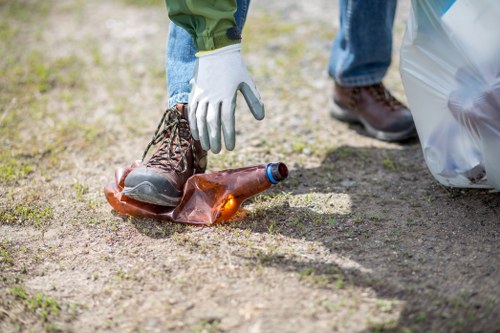 Identification of hazards and risk management is fundamental. The key risk areas for a removal and rubbish clearance service include manual handling, slips, trips and falls, exposure to biological or chemical hazards, working at height, and vehicle-related incidents. We conduct regular site assessments and dynamic risk evaluations at each clearance location within our service zone to ensure hazards are identified and controls implemented. Controls include mechanical aids, two-person lifts for bulky items, clearly marked walkways and floor protection, and safe stacking and containment procedures for debris. A documented method statement tailored to each job will form part of the job pack for staff and supervisors.
Training, Competence and Supervision
All personnel are required to complete induction training that covers the essentials of safe rubbish clearance operations, correct use of personal protective equipment (PPE), and emergency procedures. Training is reviewed regularly and refreshed when changes to tasks, equipment or legislation occur. Supervisors undertake additional training to ensure competence in risk assessment, implementation of controls and effective supervision. We maintain training records and monitor performance through routine observations and periodic competency assessments for the waste clearance service area.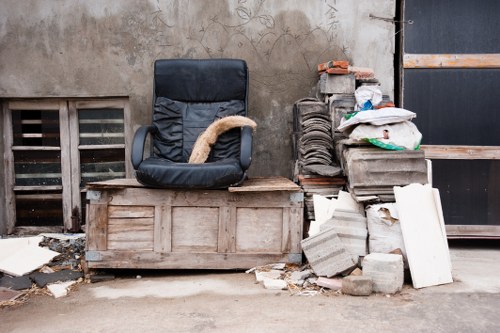
Personal Protective Equipment and Safe Equipment Use
Personnel must use appropriate PPE for each task: gloves, safety footwear, eye protection and high-visibility clothing as a minimum. For specific hazards, respirators, cut-resistant gloves, or protective overalls may be required. All equipment used during clearances—hand tools, sack trucks, trolleys and lifting aids—will be maintained and inspected regularly. Faulty equipment is removed from service and reported immediately. Where mechanical lifting devices or towers are used, only trained staff will operate them and work will comply with the manufacturer’s guidance and safe work procedures for the rubbish clearance industry.We adopt a permit-to-work approach for higher risk activities and require clients or property owners to confirm the location of utilities, hidden hazards and permitted access before work begins. Emergency arrangements include first aid provision, fire risk awareness, and a clear procedure for evacuation and contacting emergency services where necessary. Regular drills and toolbox talks reinforce practical readiness for incidents.
Accident and incident reporting is mandatory. All injuries, near misses and unsafe conditions are recorded, investigated and reviewed to identify corrective actions and prevent recurrence. Documentation and records are kept securely to support continuous improvement in our waste collection service area procedures and to meet audit requirements. Lessons learned from investigations are communicated promptly during briefings and included in refresher training to strengthen compliance and operational safety.
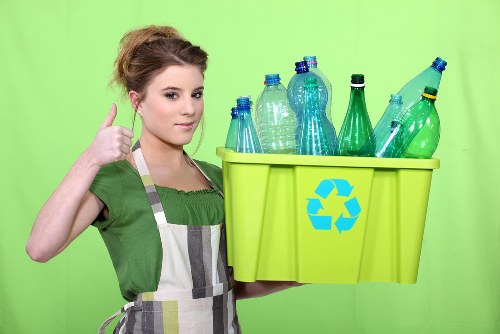
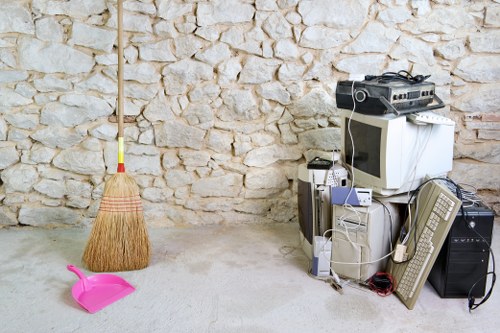 Environmental considerations and waste segregation. Our teams follow clear procedures for the segregation of recyclable materials, hazardous waste handling and disposal. Items such as electrical goods, batteries, paints and solvents are handled separately and disposed of in accordance with accepted environmental standards. We reduce cross-contamination and environmental harm by using labelled containers, compliant transport methods and approved disposal facilities. This approach supports a sustainable rubbish clearance service area and demonstrates responsible stewardship of collected materials.
 Implementation, monitoring and review. The policy will be reviewed at least annually or when there are significant changes to work practices, legislation, or after a major incident. Monitoring includes workplace inspections, performance metrics, incident trend analysis and consultation with staff. Senior management provides leadership and resources to ensure the effectiveness of the health and safety management system. Employees are expected to cooperate, follow safe systems of work, and take reasonable care for their own safety and that of others while performing duties related to the rubbish company service area.
Roles and responsibilities. Senior management has overall accountability for health and safety and will ensure that adequate resources are available. Supervisors are accountable for on-site compliance and implementation of safe working plans. Employees are responsible for using PPE properly, attending training, reporting hazards, and participating in safety initiatives. Contractors must demonstrate suitable competence and adhere to the same health and safety standards while operating within our removal and waste service area.
Key controls summary:
- Pre-job risk assessment and method statements for each clearance
- Use of mechanical aids and two-person lifts where required
- Appropriate PPE and regular equipment maintenance
- Segregation and compliant disposal of hazardous and recyclable materials
- Incident reporting, investigation and continuous improvement
By implementing these measures, Flat Clearance Raynes Park ensures a robust, measurable and accountable approach to health and safety across its rubbish removal and clearance operations. The policy is supported by practical procedures, active supervision and a commitment to safe, sustainable service delivery in the broader rubbish clearance service area.