Wimbledon Chase rubbish removal guide for narrow access
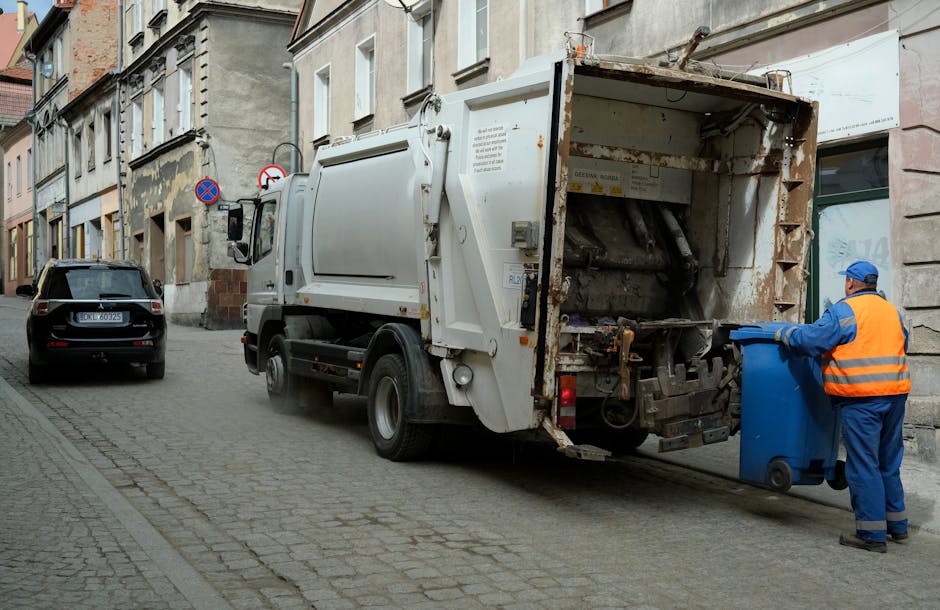
If you are dealing with rubbish removal in Wimbledon Chase and the access is tight, awkward, or just plain inconvenient, you are not alone. Many local homes, flats, mews-style properties, and converted buildings come with narrow hallways, shared entrances, steep steps, small lifts, or a rear path that looks passable until you try to move a sofa through it. This Wimbledon Chase rubbish removal guide for narrow access is designed to help you plan properly, avoid damage, and choose the safest, most efficient way to clear items without turning the job into a headache.
In practice, narrow-access jobs are all about preparation. The right measurements, the right team, and the right removal method can make the difference between a smooth two-hour clearance and a stressful day of trying to angle a wardrobe around a stair rail at an impossible angle. Let's make it easier.
Why Wimbledon Chase rubbish removal guide for narrow access Matters
Narrow access changes everything. A clearance that would be straightforward from a driveway or wide front path can become complicated the moment you have to pass through a small gate, shared stairwell, compact flat entrance, or a building with no easy parking right outside. In Wimbledon Chase, that often means extra care is needed with timing, lifting routes, and how items are carried out.
The main issue is simple: space limits movement. The tighter the route, the more likely you are to bump walls, chip paintwork, catch furniture corners, or strain your back trying to twist heavy items through a gap that was never designed for them. And if you are clearing bulky items from a top-floor flat, the risk rises fast.
It also matters because narrow access affects the whole job plan. A crew may need to park further away, use more hands, split items down safely, or bring protective equipment. That is why a proper Wimbledon Chase rubbish removal guide for narrow access is not just a nice-to-have. It helps you avoid surprises before the team even arrives.
Expert takeaway: the best narrow-access clearance is usually the one that looks slightly over-prepared. Tape measure in hand, route checked, item sizes confirmed, and nothing left to guesswork.
If you want a broader overview of household and flat clearances, it can also help to look at flat clearance and home clearance options so you can match the service to the space you actually have.
How Wimbledon Chase rubbish removal guide for narrow access Works
At its core, narrow-access rubbish removal is a planning exercise followed by careful execution. You identify what needs to go, measure the items and route, decide how they will be carried, and then remove them in the safest order. Sounds simple. In real life, not always. A washing machine might fit through the kitchen door but snag on the hallway bend. A sofa may clear the front door only if it is turned upright. A chest of drawers may need the legs removed first.
Most successful jobs follow the same pattern:
- Assess access - door widths, corridors, stair turns, ceiling height, lift size, and external access points.
- Identify awkward items - sofas, wardrobes, mattresses, fridges, bath panels, builders' waste, or mixed junk bags.
- Plan the route - front entrance, rear alley, shared courtyard, side passage, or communal staircase.
- Protect the property - use blankets, corner guards, floor protection, and gloves where needed.
- Remove strategically - lighter items first, bulky items split where safe, and heavy pieces moved with the right number of people.
- Sort responsibly - separate reusable items, recyclable material, and anything requiring specialist disposal.
Some clearances are handled as a standard man-and-van style collection. Others need a more tailored approach, especially where there is no easy loading point. If you are dealing with mixed household waste, the wider waste removal service may be the better fit. For offices or business premises with restricted corridors, the same logic applies, only with fewer coffee mugs and more filing cabinets. Which, to be fair, is a different kind of chaos.
Where furniture is involved, the service may overlap with furniture clearance or, if the items are beyond reuse, furniture disposal. For heavier soft furnishings, mattress and sofa disposal is often the relevant route.
Key Benefits and Practical Advantages
The obvious benefit is convenience, but the real value is in reducing friction. Narrow access clearance done well saves time, protects the property, and makes a stressful task feel manageable. That matters whether you are moving out, clearing a rental, or just making space again after years of accumulated stuff.
- Less risk of damage to walls, banisters, flooring, and door frames.
- Better time planning because the route and lifting approach are agreed in advance.
- Fewer surprises on the day since awkward items are identified beforehand.
- Safer handling for heavy or bulky objects.
- Cleaner finish because the clearance includes sensible sorting and responsible disposal.
There is also a quieter benefit that people sometimes overlook: peace of mind. When a team understands narrow access, you do not spend the day worrying whether the wardrobe will make it round the corner or whether someone is about to scrape the paintwork on the stairwell. You can actually breathe a bit.
For households with multiple rooms to clear, a wider service such as house clearance or home clearance can make sense, especially where the property contains a mix of furniture, appliances, and general household clutter.
Who This Is For and When It Makes Sense
This guide is especially useful if you live or work somewhere with limited access, but it is not only for flats. In Wimbledon Chase, narrow-access removals often come up in converted houses, basement flats, top-floor apartments, shared buildings, and properties with side returns or tight front steps.
It makes sense if you are:
- clearing a flat with a narrow staircase or small lift;
- disposing of a sofa, fridge, or wardrobe that will not fit through easily;
- preparing for an end-of-tenancy handover;
- dealing with builders' waste where the only exit is through a slim side passage;
- emptying a garage, loft, or office with awkward internal access;
- sorting out a property after a move, renovation, or bereavement.
For builders or renovation customers, builders waste clearance may be more suitable than a general rubbish service, especially when there are heavier rubble sacks or mixed materials. If the job is commercial, business waste removal or office clearance may fit better.
And if you are looking at a compact flat that needs a full reset, you may find the more targeted flat clearance page helpful as part of the decision-making process.
Step-by-Step Guidance
If you want the job to go smoothly, this is the practical sequence we would suggest. It is not glamorous, but it works.
1. Measure the route, not just the items
People often measure the sofa and forget the hallway bend. Big mistake. You need the full route: front door width, internal doorway widths, corridor turns, staircase width, landing depth, and any external pinch points such as gates or alleyways.
2. Identify what can be dismantled safely
Some items are easier to remove if they are partially dismantled. Bed frames, table legs, and modular furniture often benefit from this. Do not force it if the item feels fragile or the fixings are unclear. A rushed dismantle can cause more damage than it saves.
3. Clear a staging area
Set aside one place near the exit where items can be gathered before removal. Even a small patch by the front door helps. It reduces back-and-forth, which becomes tiring very quickly in narrow corridors.
4. Protect surfaces before lifting begins
Use floor protection where possible, especially on carpeted stairs, wood floors, or freshly painted walls. Narrow access often means repeated contact in the same spots. That is where scuffs happen.
5. Remove in the right order
Take out the easiest items first to open space, then work on the bigger or trickier pieces. Sometimes it is better to move loose waste and smaller bags before the bulkier furniture. It sounds obvious, but in a cramped hallway, order matters more than people expect.
6. Sort as you go
Keep reusable, recyclable, and specialist items separate if possible. For example, a fridge should not be bundled in with general household rubbish. If you need appliance disposal, a dedicated service such as fridge and appliance removal is often the cleaner route.
7. Confirm the final sweep
Once the items are out, check the route for overlooked bits, screws, packaging, dust, or broken fragments. A narrow stairwell can hide a surprising amount of debris. One last look now saves embarrassment later.
Expert Tips for Better Results
A few small decisions make a big difference with narrow access jobs. These are the habits that usually separate a tidy, calm clearance from a messy one.
- Photograph the access route before the team arrives. A couple of clear pictures can be more useful than a long description.
- Keep parking details ready if the vehicle cannot stop right outside.
- Check for shared access rules in blocks of flats or managed buildings. It avoids awkward conversations at the door.
- Remove obstructions early such as bikes, bins, shoe racks, and hallway clutter.
- Be honest about awkward items. If the item is likely to need dismantling, say so. No one benefits from surprises.
One practical tip that gets ignored far too often: think about the final exit as well as the entrance. A service lift might get items up, but not down, or vice versa. And yes, people do forget this. More than you'd think.
If the property is a loft conversion or top-floor space, the specialist pages for loft clearance and garage clearance can also help frame what level of access and labour your job may need.
Common Mistakes to Avoid
The biggest mistakes are usually not dramatic. They are the little assumptions that turn into big delays.
- Guessing measurements instead of checking them properly.
- Leaving items in place and expecting the crew to sort the route on arrival.
- Forgetting about stairs, bends, and landings, which are often more restrictive than the front door itself.
- Mixing specialist waste with general rubbish, especially appliances or hazardous materials.
- Choosing the wrong service type for the amount and type of waste involved.
- Underestimating the time a tight job can take.
Hazardous items need particular care. Paint, chemicals, certain cleaning products, and other controlled materials should not be treated like ordinary rubbish. For those cases, hazardous waste disposal is the safer and more appropriate category.
If confidential papers are part of the clear-out, do not just stuff them into black sacks and hope for the best. A dedicated confidential shredding option is more sensible, especially for offices and home-working setups.
Tools, Resources and Recommendations
You do not need a van full of specialist kit to prepare well, but a few simple tools make narrow-access rubbish removal far easier.
| Tool or resource | What it helps with | Why it matters in narrow access |
|---|---|---|
| Tape measure | Checking doors, hallways, and item dimensions | Prevents avoidable fitting problems |
| Phone camera | Photographing routes, stairs, and awkward corners | Helps the team plan before arrival |
| Moving blankets | Protecting walls, furniture, and door frames | Reduces scuffs and impact damage |
| Gloves and sturdy footwear | Safer handling of rough or heavy items | Useful where stairwells are tight and slippery |
| Clear labels or notes | Identifying what stays, goes, or needs special handling | Stops confusion in busy homes or offices |
If you are still deciding how to approach the job, the site's pricing and quotes information can help you think through how access, volume, and item type influence the overall plan. For customers who want to understand how items are handled after collection, recycling and sustainability is a useful read too.
Some people also compare rubbish removal against skip hire. In narrow-access streets and tight residential roads, that comparison is often very relevant. If you are weighing up whether a skip would suit the property at all, the page on what can go in a skip can help you judge the practical differences.
Law, Compliance, Standards, or Best Practice
For rubbish removal in the UK, the important thing is to use a provider that handles waste responsibly and follows the usual duty-of-care expectations. In plain English, that means waste should be collected, transported, and processed properly, not dumped, mixed badly, or left in an unsafe condition.
For a customer, the main best-practice points are straightforward:
- make sure waste is described honestly before collection;
- separate hazardous or specialist items where needed;
- avoid placing prohibited materials into general waste;
- keep the route safe and unobstructed for anyone carrying items out;
- confirm any building rules if you live in a managed property.
Where access is narrow, health and safety becomes especially relevant. Heavy lifting through tight corridors increases the risk of slips, trips, and strain injuries. Good practice means using enough people for the job, not trying to be heroic. Really, no one wins an arm-wrestle with a wardrobe.
It can also be helpful to review the company's health and safety policy, insurance and safety information, and terms and conditions so you understand expectations before booking. If the job is for a workplace, office clearance may involve additional access rules, building management requirements, or confidentiality concerns.
Options, Methods, or Comparison Table
There is no single best method for every narrow-access clearance. The right option depends on the type of waste, the size of the items, and how awkward the route really is. Here is a practical comparison.
| Method | Best for | Pros | Potential downside |
|---|---|---|---|
| Man-and-van style rubbish removal | Mixed household waste, furniture, small clear-outs | Flexible, quick, good for awkward access | May need more planning for bulky items |
| Targeted furniture collection | Sofas, wardrobes, beds, tables | Efficient for specific bulky items | Not ideal for lots of mixed rubbish |
| Full property clearance | End-of-tenancy, probate, major declutter | Comprehensive and tidy | Requires more time and coordination |
| Builders' waste clearance | Renovation debris, rubble sacks, strip-out waste | Better suited to heavy construction waste | Not the best fit for household furniture |
| Skip hire | Ground-floor or easy-load properties | Good for ongoing DIY jobs | Can be awkward or impossible with narrow access |
For most Wimbledon Chase narrow-access scenarios, a flexible collection service is often the most practical choice. If you need a broader household clearance, the more general house clearance or home clearance routes may be better than trying to piece together separate collections.
Case Study or Real-World Example
A typical Wimbledon Chase job might involve a second-floor flat with a narrow stairwell, a small front entrance, and a sofa that looks easy from the living room but suddenly becomes awkward the moment it reaches the landing. You know the sort. Everything seems fine until the angle changes by about three degrees, then the whole thing turns into a puzzle.
In one common scenario, the client has a mix of old furniture, a broken chest of drawers, and several bags of general clutter from a spare room. The access route includes a tight turn halfway up the stairs, so the team plans to move the smaller items first, clear space near the exit, and then handle the sofa with two people at the front and one guiding from behind. The route is protected, the stairwell is checked, and the furniture is removed without forcing it through the corner.
The key lesson is not that the job was complex. It is that the planning made it look simple. That is usually how it goes when narrow access is handled properly. The customer gets their space back, the property stays intact, and nobody has to apologise for a chipped wall.
If the same flat also has a few appliances to remove, combining the job with fridge and appliance removal can streamline the day. If the clear-out is mostly old pieces of furniture, then furniture disposal may be the more direct fit.
Practical Checklist
Use this quick checklist before the collection day. It is simple, but it catches most of the avoidable problems.
- Measure all doors, stairs, and corridors along the full route.
- Check whether any item needs to be dismantled first.
- Move small loose items away from the access path.
- Confirm parking, entry, and any building access instructions.
- Identify hazardous, confidential, or specialist waste separately.
- Take photos of tricky corners, gates, or stairwells if useful.
- Decide which items are going and which are staying before collection starts.
- Protect floors or walls if the route is especially tight.
- Choose the right service type for the waste involved.
- Keep contact details handy in case the team needs a quick clarification.
A small amount of prep goes a long way. Truth be told, most narrow-access problems are solved before the first item is lifted.
Get a free quote today and see how much you can save.
Conclusion
Narrow access does not have to make rubbish removal difficult. It just means the job needs more thought, a better route plan, and a service that understands tight spaces rather than fighting them. In Wimbledon Chase, that is especially useful for flats, converted properties, older buildings, and homes where the quickest path out is not actually all that quick.
If you remember only three things, make them these: measure properly, describe the access honestly, and choose the removal method that fits the property rather than forcing the property to fit the job. Do that, and the whole process becomes calmer, safer, and far more predictable.
And if you are still in the middle of it all, staring at a sofa that looks oddly offended by the staircase, take a breath. It can be sorted.
Frequently Asked Questions
What counts as narrow access for rubbish removal?
Narrow access usually means any route that limits safe movement of bulky items, such as slim hallways, steep stairs, small lifts, tight alleyways, shared entrances, or awkward turns.
Can a sofa be removed through a narrow staircase?
Often yes, but it depends on the sofa size, staircase width, landing space, and turning angles. Sometimes the sofa needs to be turned upright or partially dismantled first.
Should I measure the items or the doorway first?
Measure both. The item may fit through the door but still fail at a hallway bend or stair corner. The full route matters more than one single measurement.
Is narrow access rubbish removal more expensive?
It can be, because it may take more time, more labour, or extra care. That said, the cost depends on the actual job, the waste type, and the effort involved.
What should I tell the removal team before they arrive?
Tell them about stairs, lifts, parking, door widths, awkward corners, heavy items, and anything that needs special handling. A few photos can help as well.
Can you remove rubbish from a top-floor flat with no lift?
Yes, if the access is safe and the items can be moved without unnecessary risk. The team will usually plan the route and the lifting approach carefully.
What happens if an item does not fit through the route?
If it is safe and possible, the item may be dismantled. If not, the team may need to adjust the approach or treat it as a different kind of removal job.
Can hazardous waste be included with general rubbish?
No, hazardous waste should be separated and handled appropriately. Items such as chemicals or certain DIY materials need specialist attention.
What is the best option for mixed waste in a narrow-access property?
A flexible rubbish removal or flat clearance service is often the best fit because it can handle mixed items, awkward access, and smaller loads more efficiently than a skip.
Do I need to be present during the collection?
Usually it is best if someone is available at the start, at least, so access can be confirmed and any final questions answered. After that, it depends on the arrangement.
How do I prepare a flat for narrow-access clearance?
Clear the route, measure the main pinch points, remove small loose items, separate specialist waste, and make sure parking or entry instructions are ready.
Where can I find more information about your services and policies?
You can read more about the company on the about us page, review payment and security, or check the complaints procedure if you want to understand the service standards more fully.